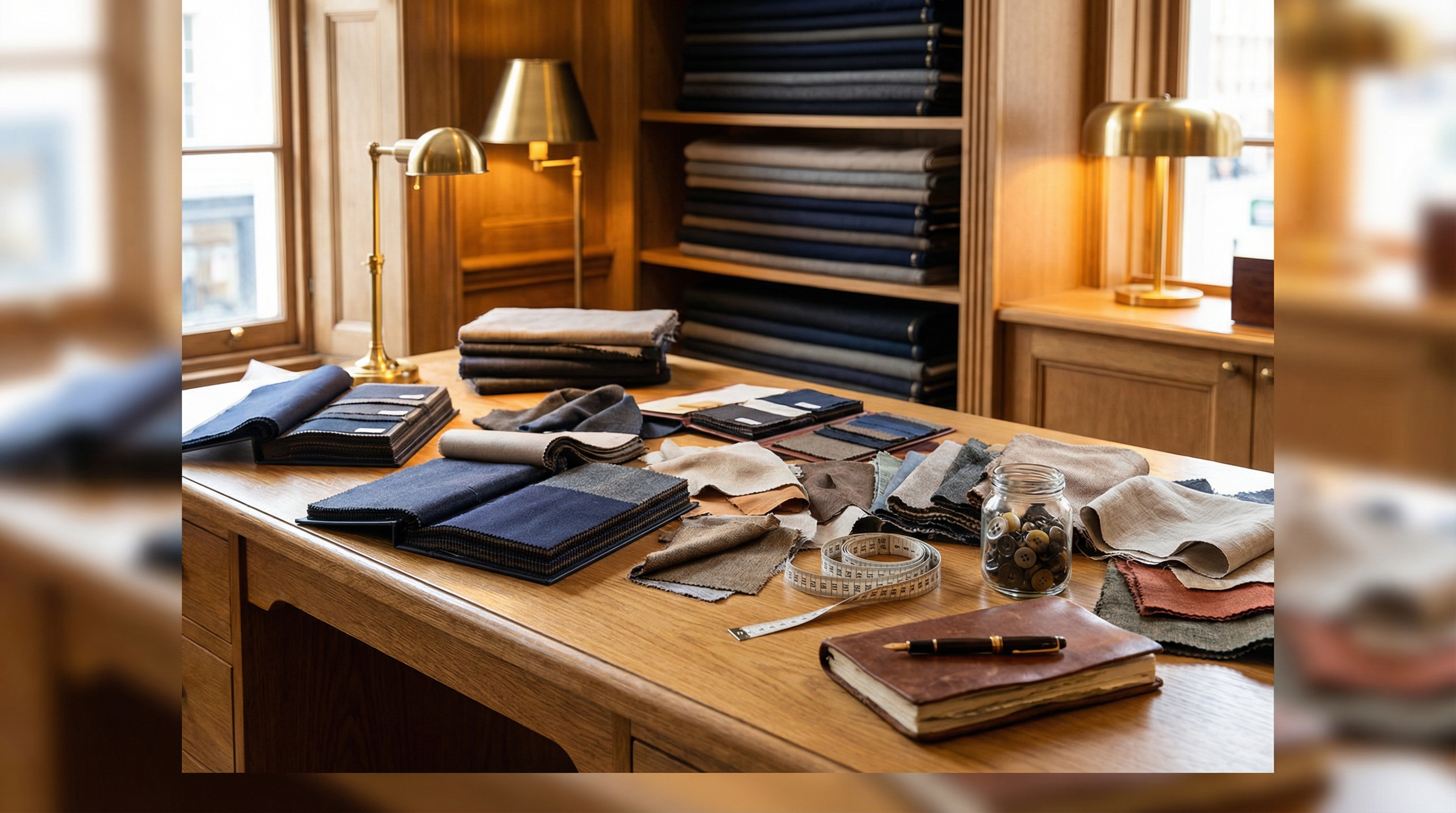
The most expensive sentence in custom tailoring. What is actually happening when a client hesitates — and what you can do about it.
"I need to think about it."
Five words that cost custom tailors more revenue than any competitor, any recession, or any change in fashion trends. It’s the polite exit that kills deals — not because clients don’t want the suit, but because something in the consultation left them uncertain.
Here’s what’s actually happening when a client hesitates, and what you can do about it.
The Real Reasons Behind "I'll Think About It"
In most cases, the client isn’t lying. They genuinely intend to think about it. The question is: what specifically are they uncertain about?
They Can't Picture the Result
This is the most common cause — by far. A fabric swatch is not a suit. You’re asking someone to commit $2,000–$5,000 based on a 2-inch square of cloth and their imagination. Most people don’t have that confidence.
They Need Spousal Approval
A legitimate and common reason, especially for purchases over $1,000. The client is ready, but they know they need to involve their partner in a spending decision this large.
Price Shock
They didn’t expect the suit to cost what it costs. This isn’t about whether the price is fair — it’s about the gap between expectation and reality.
Decision Fatigue
You showed them 47 fabrics, five lapel styles, three pocket options, six lining choices, and four button configurations. By the time you asked "So, what do you think?" — they were exhausted.
No Urgency
They like the idea of a custom suit. They just don’t need one right now. Without a deadline, "I’ll think about it" becomes "I’ll do it someday."
The Prevention Framework
The best way to handle "I need to think about it" is to prevent it. Structure your consultation to address all five reasons before they come up:
- Minutes 0–5: Set expectations. Mention price range. Ask about their timeline and occasion.
- Minutes 5–15: Curate options. Present 3–5 fabrics, not 30. Explain why each one fits their needs.
- Minutes 15–25: Visualize the outcome. Show them what they’ll look like. Let the image do the work.
- Minutes 25–30: Address the partner question. Offer to send the lookbook for review.
- Minutes 30–35: Ask for the next step — not the decision. "Let me take a few measurements while we’re here."
When It Still Happens
Even with perfect execution, some clients will still need time. That’s fine. Your job shifts to effective follow-up:
- Within 1 hour: Send the lookbook and a brief thank-you note
- Day 2: No contact. Let them process.
- Day 3–4: Casual check-in. "Did your wife get a chance to see the lookbook?"
- Day 7: Final nudge. Share something relevant — a photo of a similar completed suit, or a note about fabric availability.
After day 7, move them to your long-term list. They may come back in months. They may not. But tailors who follow a structured follow-up process convert a meaningful share of those delayed decisions into orders.